How to record water loss before a commercial pool leak inspection
@thequietpool
When a commercial pool loses water faster than normal, the first step is not to call a technician. It is to gather clear, measurable evidence of the loss. That evidence helps the inspector identify where the problem lies and how serious it is. Without it, even a thorough check can miss subtle leaks or waste time chasing false leads.
Water loss in a public pool or spa often comes from one of three places: the shell, the circulation system, or the plumbing network underneath the deck. Each leaves different clues. The goal of pre-inspection documentation is to narrow down which area is most likely leaking, so the inspection can focus on the right location from the start.
What you need before you start
Gather a few basic tools before you begin recording. A notebook or waterproof log sheet, a tape measure or ruler that measures down to one-eighth of an inch, a bucket, and a permanent marker will cover most of what you need. A camera or smartphone for photos is useful, but the measurements themselves are what matter most for the record.
Step 1: Set a baseline water level
Choose a time when the pool has been idle for at least a few hours. Overnight is best. Mark the water level at the skimmer or tile line with the marker. Measure the distance from the top of the pool wall or deck to the water surface at that same spot. Write down the date, time, and measurement. Repeat this at the same time each day for three to seven days.
Natural evaporation happens in every pool, especially in warm or windy weather. A commercial pool in San Diego can lose a quarter to half an inch per day from evaporation alone. That is normal. The key is to see whether the daily loss is consistently larger than what evaporation would account for. If you lose an inch or more per day for several days in a row, something beyond evaporation is happening.
Step 2: Isolate the circulation system
Most commercial pools run their pumps and filters for long hours each day. A leak in the circulation system can look like a shell leak if you do not separate the two. To isolate the circulation system, turn off the pump and close the main drain and skimmer valves. Then mark the water level again and wait 12 to 24 hours.
If the water level holds steady with the system off but drops quickly when the pump runs, the leak is almost certainly in the suction or return plumbing, not in the pool shell itself. This is a common finding in older commercial pools where underground pipes corrode or shift over time. Documenting this pattern gives the inspector a clear lead.
Step 3: Use the bucket test properly
The bucket test is a standard way to separate evaporation from real water loss. Fill a five-gallon bucket with pool water until it is about three-quarters full. Place it on the pool step or deck so the water level inside the bucket is roughly the same height as the pool water surface. Mark the water level inside the bucket. Mark the pool water level at the skimmer. Leave both undisturbed for 24 hours.
After 24 hours, measure the drop in the bucket and the drop in the pool. The bucket loses water only by evaporation. If the pool lost more water than the bucket, the extra loss is from a leak. The difference, multiplied by the surface area of the pool, gives you a rough idea of how much water is escaping each day. Write down both measurements and the calculated difference.
Step 4: Check the water meter
If the commercial pool has a dedicated water meter on its make-up line, that meter is one of the best tools for detecting a leak. Read the meter at the start of a period when no one is using the pool and the autofill is turned off. Read it again after 12 to 24 hours. Any movement on the meter confirms that water is leaving the system somewhere. Record the start and end readings, the time elapsed, and whether the pump was running during that period.
Even if you do not have a dedicated meter, you can sometimes see a pattern of frequent autofill cycles. If the autofill valve clicks on every few hours even when the pool has not been used, that is a sign of continuous water loss worth documenting.
Step 5: Note environmental factors
Rain, wind, temperature, and bather load all affect water level. Record the weather conditions during your observation period. If a heavy rain filled the pool back up, that day's measurement is not useful. If the pool was used for swim lessons or lap swimming during the test, the splash-out and displacement will throw off the numbers. Keep notes on any events that could change the water level. The inspector needs to know which measurements are clean and which are contaminated.

It is also worth noting the condition of the pool surface. Cracks in the plaster, loose tiles, or gaps around the skimmer face plate can all be entry points for water. Photograph any visible damage and note its location on a simple diagram of the pool. Even if the damage looks small, it may be the source of the leak.
Step 6: Compile everything into an inspection record
Once you have several days of measurements, bucket test results, meter readings, and environmental notes, organize them into a single document. A simple table with dates, times, water level measurements, and comments works well. Include the photos and the diagram of visible damage. This record gives the inspector a complete picture before any equipment is set up.
A thorough inspection record does more than confirm that a leak exists. It helps the technician decide which tests to run first. For example, if your records show that the water level drops fastest when the pump is on, the inspector can start with a pressure test of the return lines rather than spending time dye-testing the shell. That saves time and money and reduces the chances of a misdiagnosis.
When to call for a professional commercial pool leak evaluation
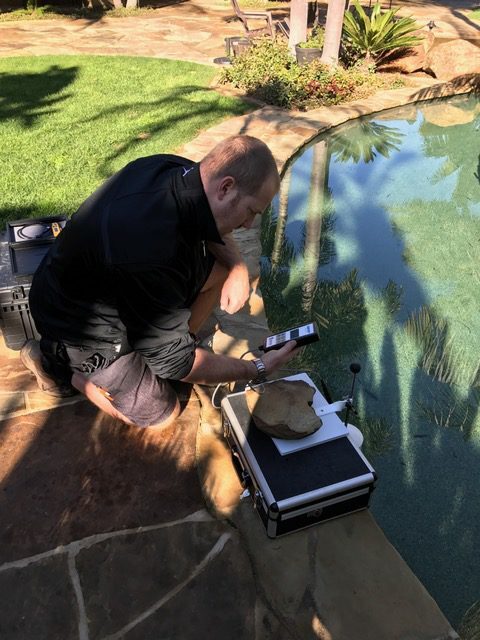
If your documentation shows a consistent water loss beyond evaporation and you have isolated the circulation system, it is time to arrange a professional commercial pool leak evaluation. A specialist brings electronic listening devices, pressure-testing equipment, and dye-testing kits that can pinpoint the exact location of a leak without guesswork. For a facility manager running a public pool or a commercial property, the cost of an undetected leak goes beyond the water bill. It can lead to structural damage, higher operating costs, and even safety hazards.
A professional commercial pool leak evaluation typically starts with a review of the documentation you have gathered. The more detailed and accurate your record, the faster the technician can move to the diagnostic phase. The inspector will also perform their own tests to confirm your findings and identify any hidden issues, such as a leak in the underground plumbing network that shows no surface signs.
What to expect from the inspection itself
The inspector will likely begin by repeating some of the tests you already did, but with specialized tools. An electronic listening device can hear water escaping from a pipe underground. A pressure test can reveal whether a particular line holds pressure or drops. Dye testing around fittings, steps, and light niches shows whether water is being pulled into a crack. The combination of your documentation and the inspector's equipment produces a reliable diagnosis.
After the inspection, you should receive a written report that identifies the leak location, the likely cause, and recommendations for repair. Keep that report with your ongoing maintenance records. If the same issue reappears later, the report provides a baseline for comparison.
Documenting water loss before an inspection is not about proving you have a problem. It is about giving the inspector the best possible starting point. A few days of careful measurements can turn a vague suspicion into a clear, actionable plan for repair. For any facility manager responsible for a commercial pool, that small investment in time pays for itself in faster diagnosis, fewer unnecessary repairs, and lower long-term costs.